
…..and of course, Dallas City Hall is on it.
The US Department of Education removed architecture from their list of professional degrees. Much of the profession is furious. Why I am not.
A few days ago my wife, a Registered Nurse, was shocked to find that nursing was no longer considered a "professional" degree by the Department of Education. Her colleagues and their professional organization lost their collective minds. A couple of days later, I learned that my own profession of architecture had suffered the same fate and likewise, some of my colleagues and leadership in the AIA vented their rage through the media. I was puzzled. Why did this happen? And who anointed the US Department of Education (DOE) as arbiters of who is a professional?
The answer to the last question is "Nobody". The definition of what constitutes a profession remains unchanged. It is broadly associated with specialized skills, greater requirements for formal education, and a requirement for licensure. That definition has not changed and the DOE holds no role its interpretation. The DOE usage of the term is just semantics, not a reflection on skill, training, license requirements, or even prestige.
To answer the first question very simply, the DOE sets education loan program caps through groupings of degrees. Their top tier is "Professional" and reflects many of the professions we all readily recognize and appreciate as professions. For the DOE loan cap purposes, it is more reflective of the often extended educational requirements needed to obtain such degrees. Thus greater loan amounts, up to $200,000, are available to those professions identified in this category to help with additional years of formal study.
My research reveals that removing architecture and nursing (and other) traditional professions from this category is not based on a new definition of "professional", but on an attempt to match loan amount caps to the loan recipient's likely ability to pay the loans back once they join the workforce. Physicians and attorneys remain in the "Professional" tier with a $200,000 cap, while architects, nurses and others are moved to a different tier with a $100,000 cap. This difference in compensation between architects and their friends in medicine and law is a very old wound, but a reality I think we are all aware of.
This change, while awkwardly handled (couldn't they just rename all the tiers and avoid the professional references?) is one attempt to address the problem of young professionals entering the workforce carrying crippling debt. I applaud this attempt, however gracelessly it has been implemented. I don't feel any attempt has been made to diminish my standing as a professional, so I'm fine with the effort.
For those who are offended by this reclassification, remember that the Trump administration is working hard to dismantle the DOE anyway.
Happy Thanksgiving to all, regardless of your education loan cap level!
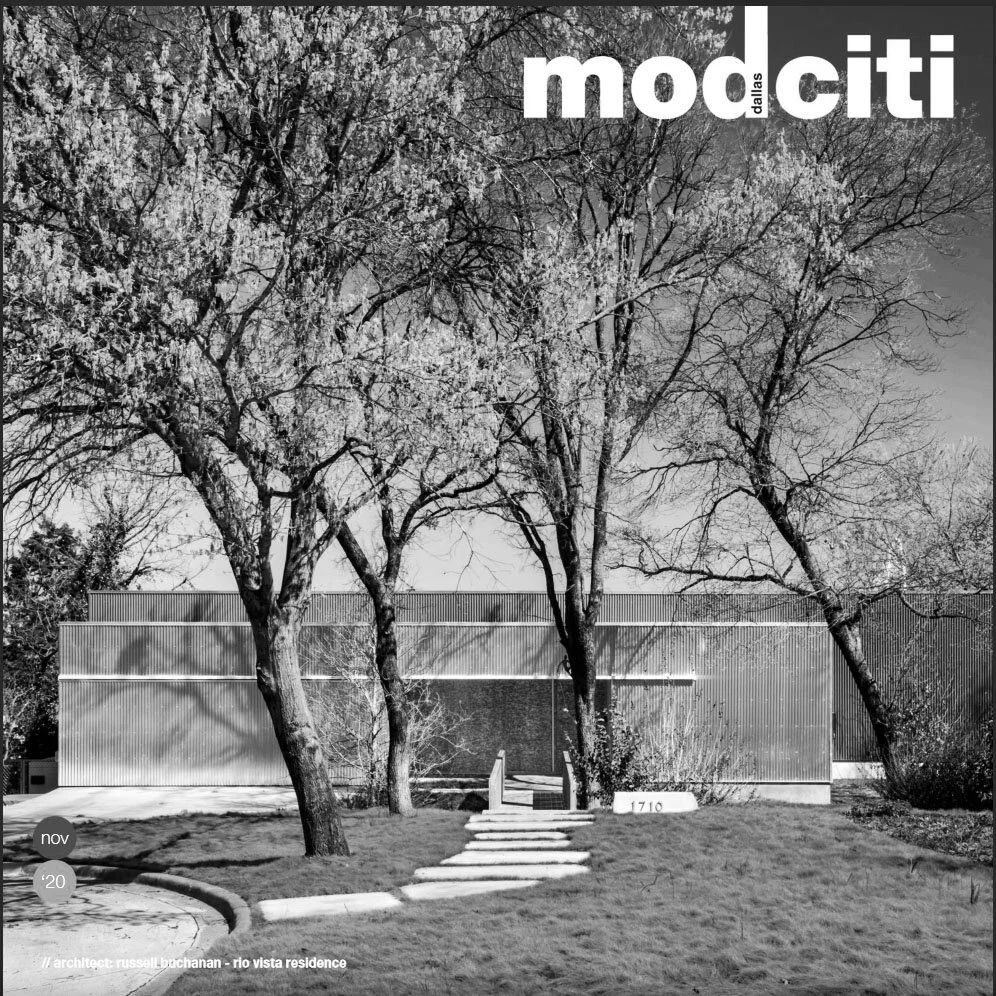
Everything Old is Modern Again: Fair Park in Modciti Dallas

I recently had the chance to speak with Hardy Habberman and reminisce about Fair Park and what it meant, not just to the city as a whole, but specifically it’s impact on individuals like the two of us. You can find the article on page 30.
Dallas Innovates promotes the value of historic preservation

Another publication where the advantages of historic preservation are highlighted in a place where you would typically expect only to see accolades for new design and construction. A companion piece to the article I shared on Monday, this one focuses on the financial incentives available, tools we have been using for years. Some of the comments I provided to the previous article find their way into this one also.
NORMAN ALSTON architects
For the past 30 years, Norman Alston Architects has shown the possibilities that are available when important historic buildings and sites are thoughtfully preserved and equipped for modern, productive use. The firm has completed successful, award-winning restorations, renovations, and additions by demonstrating that preservation is economically advantageous, environmentally responsible and culturally invigorating. Our projects are often catalysts for redevelopment of the surrounding community. Successful projects range from important large structures in large urban areas to numerous small projects in rural communities where professional skills in historic preservation are often assumed to be unavailable.
The thoughtful, modern approach to rebuilding Notre Dame.

The full range of attitudes towards historic buildings has been on display this year as the world struggles with the response to the disastrous fire at Notre Dame. This article in refreshing in its thoughtful, informed approach and the wealth of useful information it contains. For we old building nerds, the discussion of ancient timber framing is engrossing.
NORMAN ALSTON architects
For the past 30 years, Norman Alston Architects has shown the possibilities that are available when important historic buildings and sites are thoughtfully preserved and equipped for modern, productive use. The firm has completed successful, award-winning restorations, renovations, and additions by demonstrating that preservation is economically advantageous, environmentally responsible and culturally invigorating. Our projects are often catalysts for redevelopment of the surrounding community. Successful projects range from important large structures in large urban areas to numerous small projects in rural communities where professional skills in historic preservation are often assumed to be unavailable.
AIA Dallas Annual Fellows Dinner celebrates new class of Fellows

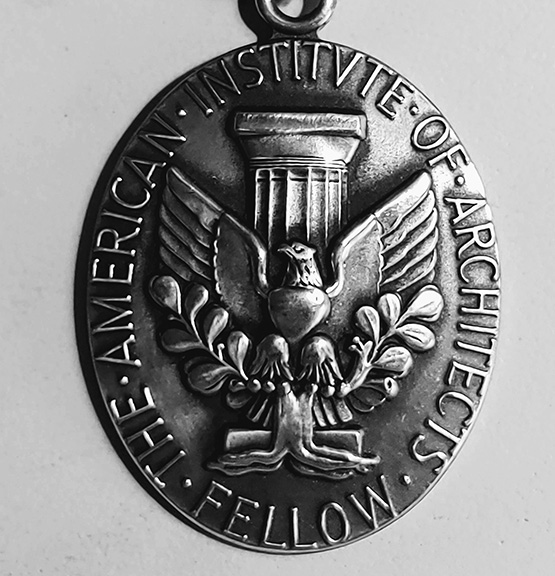
Norman Alston, FAIA, among the 6 architects from North Texas elevated to Fellowship of the American Institute of Architects in 2019.
Lakewood Theater conversion almost complete!

Historic Lakewood Theater now the home to Bowlski’s, the off-beat bowling center opening this Friday. Really, it works.
DFW Real Estate Review features Historic Preservation successes

Cover of the Spring 2019 DFW Real Estate Review
I have noted for the past few years that things have been changing in the Dallas area where historic preservation is concerned. As we work towards a culture where the default question is “Why not preserve?” as opposed to the current attitude of “Why preserve?”, it is encouraging to find publications like this. The DFW Real Estate Review would normally be expected to trumpet the the latest in new design and construction. In this edition, however, is a long and thoughtful examination of both the rising popularity of historic preservation and a serious discussion of the financial incentives that help to fuel this growth. I was honored and excited to be given an opportunity to contribute to this position.

NORMAN ALSTON architects
For the past 30 years, Norman Alston Architects has shown the possibilities that are available when important historic buildings and sites are thoughtfully preserved and equipped for modern, productive use. The firm has completed successful, award-winning restorations, renovations, and additions by demonstrating that preservation is economically advantageous, environmentally responsible and culturally invigorating. Our projects are often catalysts for redevelopment of the surrounding community. Successful projects range from important large structures in large urban areas to numerous small projects in rural communities where professional skills in historic preservation are often assumed to be unavailable.
Recent Posts
Featured








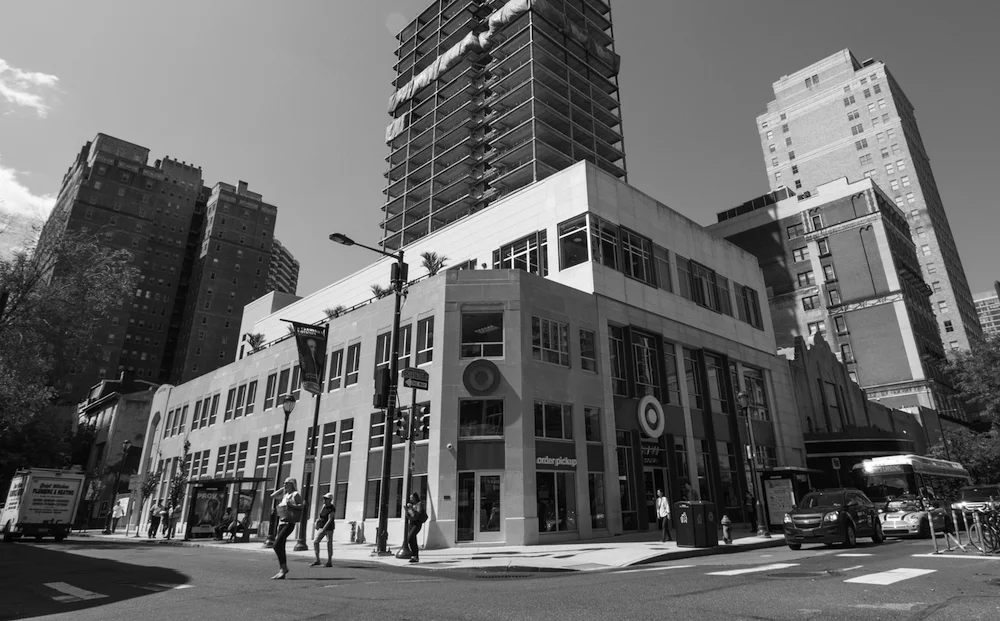

An interview with Craig Spivey, owner of the new Bowlski's, nearing completion in the historic Lakewood Theater
An interview with Craig Spivey, creative genius behind the new Bowlski’s, soon to open in the historic Lakewood Theater.
The Ambassador is lost. What happens now?

The Ambassador Hotel, branded in 1907 as the Park Hotel. I won’t be showing photos of the fire or the aftermath. Photo courtesy of Flashback: Dallas.
With the tragic loss of the Ambassador Hotel, how do we now respond to the city that remains?
Happy Memorial Day!

Hoping everyone has a safe and enjoyable Memorial Day weekend as as we remember those who have made the ultimate sacrifice for our freedom.
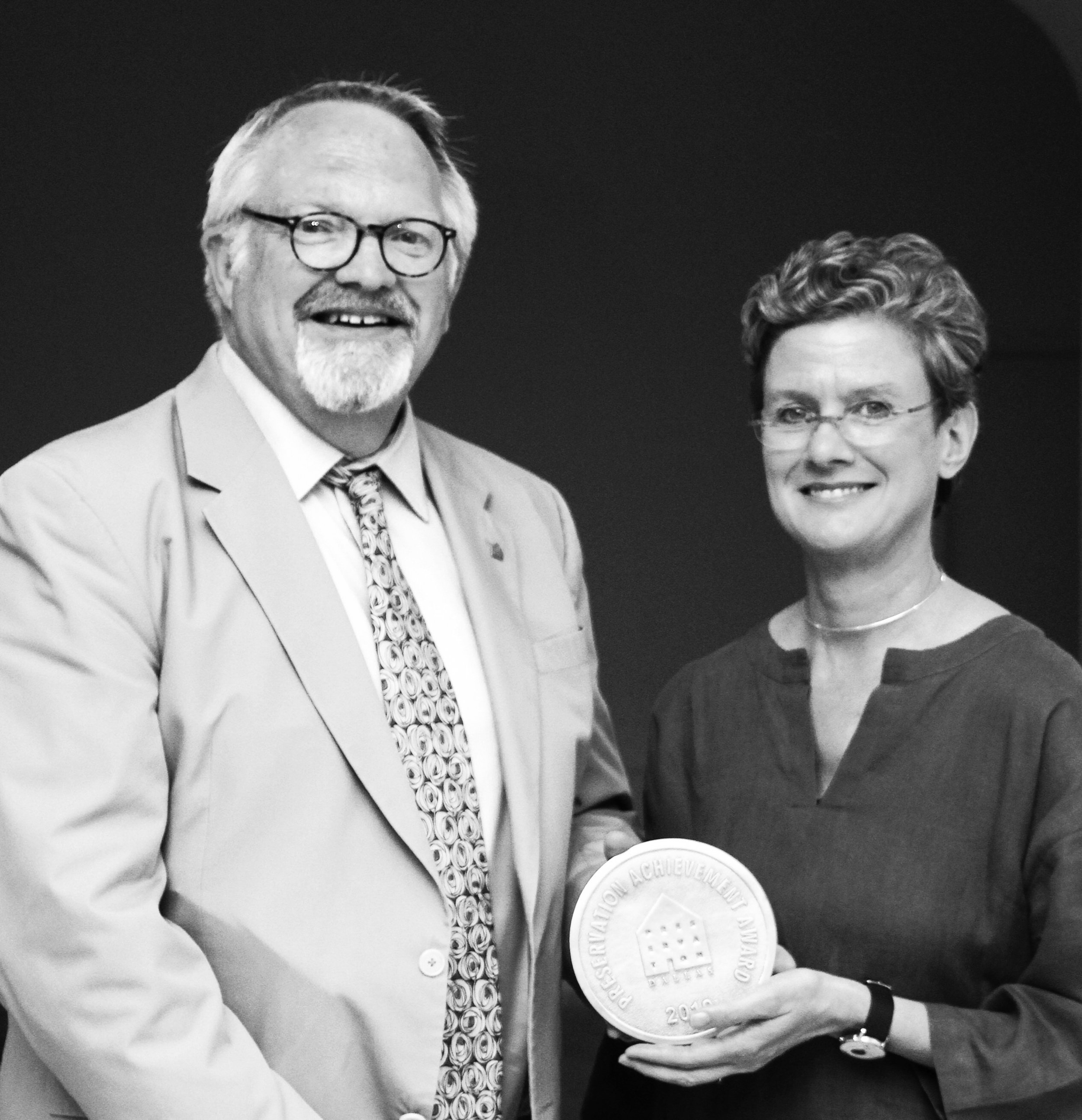
Lakewood Theater restoration recognized at annual Preservation Dallas Preservation Achievement Awards event.
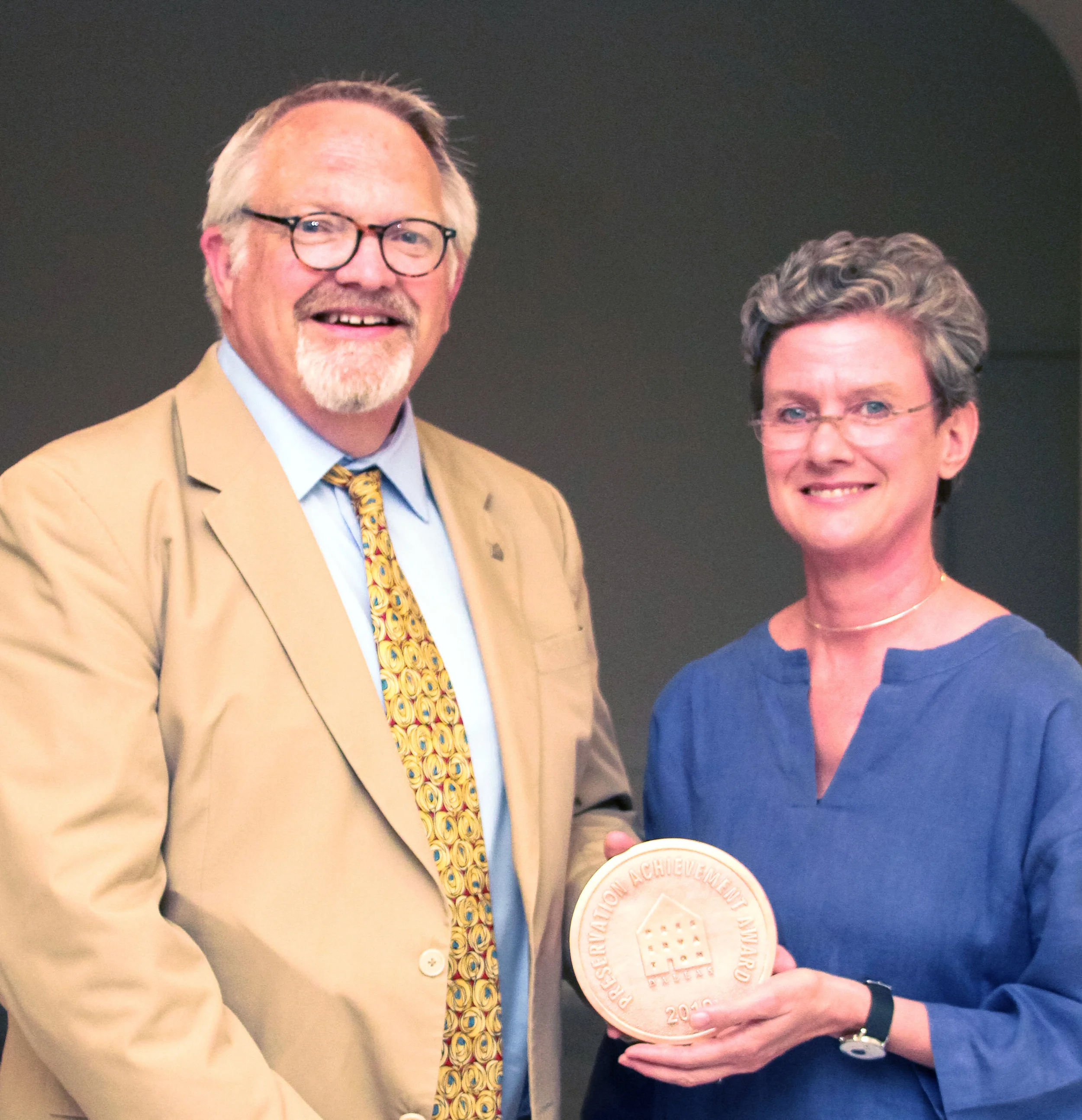
Joanna Hampton, AIA, presents the Preservation Achievement Award for the Lakewood Theater Restoration to Norman Alston, FAIA
Preservation Achievement Award presented to the Lakewood Theater restoration.
"Save our Buildings, Save Ourselves": A discussion of the importance of our historic downtowns

Early Sunday Morning by Edward Hopper, 1930
“Save Our Buildings, Save Ourselves”, An article by Jeff Siegler
St. Patrick's Cathedral in New York wins Award from AIA's Committee on the Environment
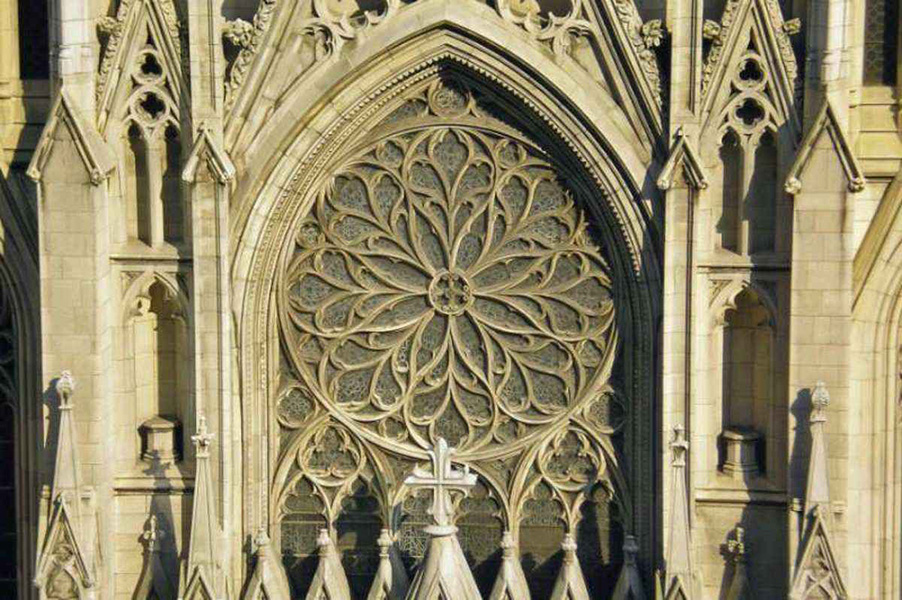
In the drive to modern sustainability, one of our most important historic buildings wins surprise recognition for its efforts.
AIA Dallas Celebrate Architecture '19

Celebrate Architecture ‘19 Honorees
Norman Alston, FAIA and other new AIA Dallas Fellows recognized during Celebrate Architecture 2019.
Lakewood Theater restoration receives 2019 Preservation Achievement Award

Relighting of the Lakewood Theater neon in December 2018
Lakewood Theater resumes its role as the proud symbol of a community.
The Power of Texas' Main Street Program - by the numbers
The Texas Main Street Program has been big help to communities who value their historic downtowns. Here’s an indication of how that value extends out and into the entire community.

Congratulations to the dedicated staffers at the Main Street offices and in all the Main Street communities across Texas. Find out more about the Texas Main Street Program.
Norman Alston named Fellow of the American Institute of Architects
Norman Alston recognized for his contributions to the advancement of architecture and society.
Bianchi House unanimously approved for Landmark Designation by Dallas Landmark Commission

Bianchi House in its current condition.
Unique Bianchi House approved for landmark designation by Dallas’ Landmark Commission.